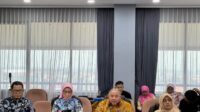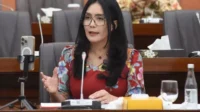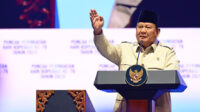
Fajarasia.id – The Indonesian House of Representatives (DPR) has officially passed the revised Criminal Procedure Code (KUHAP) into law after extensive discussions between Commission III and the government. In response to public criticism, Commission III announced plans to invite non-governmental organizations (NGOs) that oppose the new KUHAP for an open dialogue.
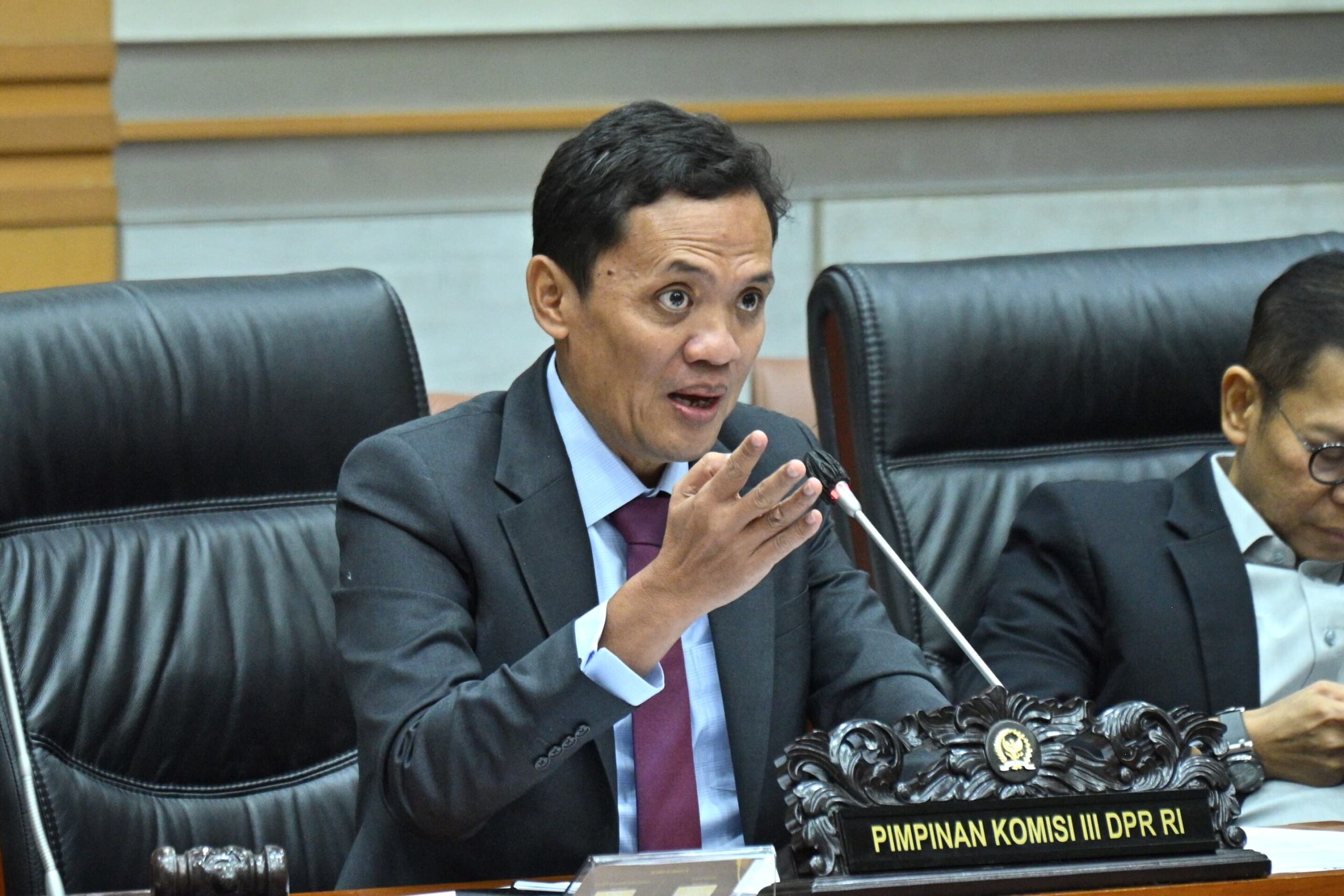
Chairman of Commission III, Habiburokhman, emphasized the importance of transparency and engagement. “Commission III DPR RI will invite NGOs opposing the new KUHAP. We are ready to explain all aspects of the law, from substantive matters to technical details,” he said in a statement on Wednesday (19/11).
To ensure transparency, the meeting will be held openly and broadcast live by Parliament TV. Habiburokhman noted that while opposition reflects public concern for ongoing legal reform, misunderstandings may have contributed to the rejection.
“This shows their concern for the progress of legal reform. However, we believe many misunderstandings have occurred, which may explain the resistance,” he added.
He further stressed that the new KUHAP represents a significant improvement over the previous code. “All misconceptions must be clarified so that implementation can run smoothly and effectively,” he said.
The revised KUHAP was ratified during a plenary session at the DPR complex in Senayan, Jakarta, on Tuesday (18/11). At the start of the session, DPR Speaker Puan Maharani invited Habiburokhman to present the results of the Commission’s deliberations. Earlier, on November 13, Commission III and the government had agreed to advance the draft KUHAP to the final stage for approval.
All parliamentary factions unanimously supported the revision, leading to its formal enactment as law.
Minister of Law and Human Rights, Supratman Andi Agtas, confirmed that the new KUHAP will take effect on January 2, 2026, simultaneously with the revised Criminal Code (KUHP).
“With the enforcement of the KUHP in early 2026, KUHAP will also be ready. Both substantive and procedural laws will be in place,” Supratman stated after the plenary session.