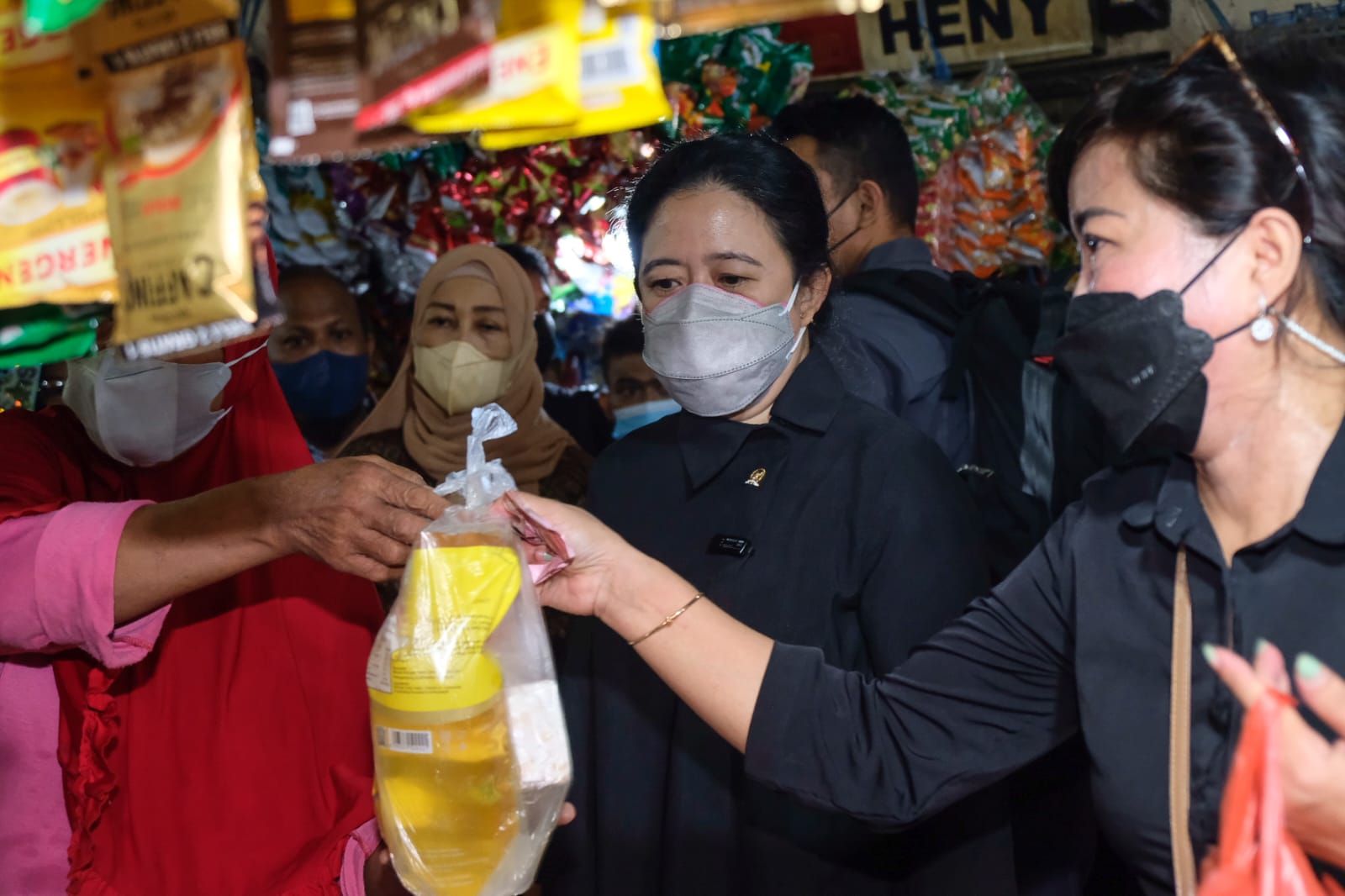
Fajarasia.co – The government lifted the ban on CPO exports after taking into account several factors, such as supply conditions, current cooking oil prices, the presence of workers and farmers in the palm oil industry. Previously, the Speaker of the House of Representatives, Puan Maharani, also hoped that the prohibition policy could be a solution to the problem of the scarcity and high cost of cooking oil so far.
Research Director of the Center of Reform on Economics (CORE) Indonesia Piter Abdullah Redjalam appreciated the government’s decision to lift the ban on exports of crude palm oil (CPO) and cooking oil raw materials. According to him, lifting the ban will benefit oil palm farmers and small and medium enterprises in the palm oil sector.
“What is clear is that it gives a breath to oil palm farmers. Because of the impact of the export ban, the most affected are oil palm farmers. Small farmers and small and medium enterprises in CPO,” explained Piter, Monday (23/5/2022).
According to him, when the economy of oil palm farmers improves, other sectors will follow suit. “In turn, the release of CPO exports will help the economy in areas in palm oil centers,” he continued.
Piter emphasized that the government should think about how to prosper small oil palm farmers first. “The government should think about how to prosper oil palm farmers. Because if oil palm farmers are prosperous, our economy will spin,” he said.
Piter said the previous CPO export ban policy was quite burdensome for oil palm farmers. They are forced to sell palm fresh fruit bunches (FFB) at low prices because the supply is abundant but not supported by high demand.
Previously, the Speaker of the House of Representatives, Puan Maharani, had also warned that the policy of banning the export of CPO products and their derivatives would have an impact on farmers. He also reminded the government to fix the entire cooking oil trading system from upstream to downstream.
“The government must fix the market structure and the structure of the cooking oil industry, including the control from upstream to downstream. This is considered to be able to solve the cooking oil problem in the future,” he added.
Government Managed
Meanwhile, Economist from the University of Indonesia Fithra Faisal agreed with the government’s move to directly distribute cooking oil to the public.
“When we are in an ad hoc period now, we cannot rely on producers, so we must prioritize government organs, Bulog, BUMN ID food to be able to oversee the distribution process to the field. Let the goods are there and cheap. “said Eko Fitra, Monday (23/5).
Domestic cooking oil governance is still problematic. The government does not have great power, like the government can control the price of fuel. He gave an example, when talking about fuel, the power of supply from upstream to downstream is controlled by BUMN.
“So we have to be able to sit down to imitate that process. Because all processes are managed by the government.” call Fitra.
To maintain domestic CPO reserves, it can be from domestic production or imports of CPO derivatives, namely cooking oil from Malaysia.
“This is the problem that is hampered from the CPO mechanism to cooking oil, so just import it from Malaysia or other cheaper countries. Yes, because bilaterally we can do that. In the long term then we can manage on a regional scale,” said Fitra.****