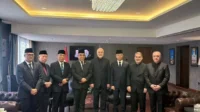
Fajarasia.id – The Attorney General’s Office (AGO) of Indonesia has confirmed that North Sumatra is now the third province to officially adopt restorative justice practices. The initiative follows the signing of a cooperation agreement between Governor Bobby Afif Nasution and North Sumatra Chief Prosecutor Harli Siregar, joined by all regents and mayors across the province along with their respective district prosecutors.
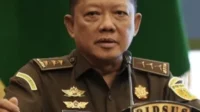
Acting Deputy Attorney General for General Crimes, Undang Mugopal, emphasized that the agreement establishes the framework for community service sentences as an alternative punishment for minor offenses. “This cooperation between the provincial government and the prosecution service ensures the implementation of social work penalties for offenders,” Undang stated at the Governor’s Office in Medan.
Prior to North Sumatra, similar agreements had already been enacted in East Java and West Java. The initiative is part of the AGO’s broader implementation of restorative justice under Regulation No.15/2020, which allows prosecutors to halt prosecutions based on restorative principles.
Community service sentences, Undang explained, are imposed by court rulings, supervised by prosecutors, and guided by community counselors. Eligible cases include offenses carrying less than five years’ imprisonment, or sentences of up to six months in jail or fines of up to IDR 10 million.
He stressed that such penalties must not be commercialized and should be carried out for eight hours per day, in line with Indonesia’s new Criminal Code (Law No.1/2023). Considerations for applying restorative justice include elderly defendants, first-time offenders, minimal victim losses, or cases where restitution has already been paid.
“There are more than 300 forms of community service available, ranging from cleaning mosques and drainage systems to assisting with administrative services such as ID cards and family registries,” Undang added.
Governor Bobby Afif Nasution highlighted that restorative justice is part of North Sumatra’s Quick Impact Programs (PHTC) and has been integrated into the province’s Medium-Term Development Plan (RPJMD).
“With the new Criminal Code taking effect on January 1, 2026, restorative justice will save many from unnecessary imprisonment and help ease overcrowded prisons. Justice must be human-centered,” Bobby said. He also encouraged local governments to be proactive in applying community service sentences and suggested providing incentives where possible.
Chief Prosecutor Harli Siregar underscored that restorative justice represents a more humane approach to law enforcement. “It is a way to resolve minor criminal cases by prioritizing reconciliation, restoring relationships, and ensuring accountability without lengthy trials,” he explained.
Harli called on district governments to establish technical teams, draft operational procedures, and set up supervision mechanisms to ensure effective implementation. “This memorandum of understanding reflects our shared commitment to deliver tangible benefits to society,” he concluded.****