Fajarasia.co – The existence of the Khilafatul Muslimin religious organization which has recently emerged has surprised many parties. Whereas the existence of this organization which is also engaged in education has been going on since 24 years ago. It takes the activation of all units of the state apparatus to counteract radical movements and intolerance in Indonesia.
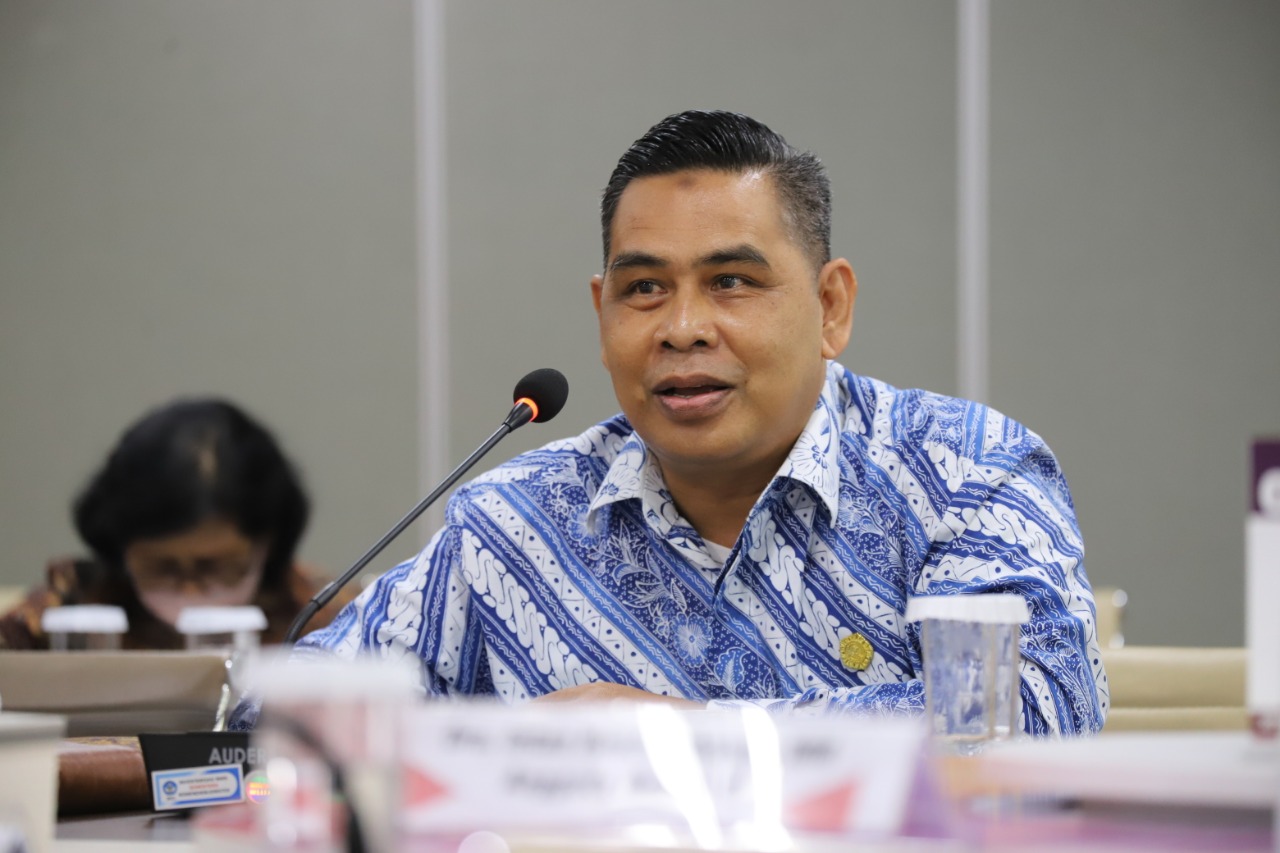
The Dean of the Faculty of Law, Jakarta Veterans National Development University, Abdul Halim, said that the Khilafatul Muslimin, which recently emerged after being established 24 years ago, shows that the state apparatus is not yet optimal, especially at the lowest unit level. In fact, said Halim, literally the naming of Khilafatul Muslimin is an early indicator to prevent the development of this group from becoming wider. “Let’s see from the point of view of naming this organization, it should be a question. I think this is an important lesson for all of us, so that state apparatus in lower units such as the Village Head, Camat, Police and community leaders and to be more sensitive in seeing symptoms in the community, “said Halim in Jakarta, Sabu (18/05/2011). 6/2022).
According to him, the existence of the Khilafatul Muslimin which was established in 1997 shows that the sensitivity of the community towards groups that are contrary to the ideology of Pancasila and the 1945 Constitution is not optimal. In fact, said the Doctor of Islamic Law, the existence of a number of laws and regulations has been available. “There is the Law on Mass Organizations, the Law on Islamic Boarding Schools and various other laws and regulations. This is collective homework, socialization and providing understanding to the community at the grassroots so that it will be intensified,” Halim suggested.
Halim also mentioned that the socialization of the four pillars that have become the icons of the MPR since the leadership era of the Chairman of the MPR, Taufiq Kiemas, should be modified to suit the needs and segmentation of the community. “The four pillars initiated by the MPR Chair during the Taufiq Kiemas era are on the right track. Currently, modifications are needed that are tailored to the needs and segmentation of the community, especially at the grassroots,” said Halim.
In addition, Halim said that collaborative work to provide education to the public could involve civil society, especially religious organizations such as Nahdhatul Ulama (NU), Muhammadiyah and other Islamic organizations. This step, according to Halim, will be effective in preventing the existence of groups that are contrary to the basic law of the state. “Preemptive and preventive efforts must be prioritized to prevent greater excesses below. Collaboration with state apparatus in the lowest units with all components will be more effective, including universities, such as UPN Veterans Jakarta as a state defense campus,” said Halim.****